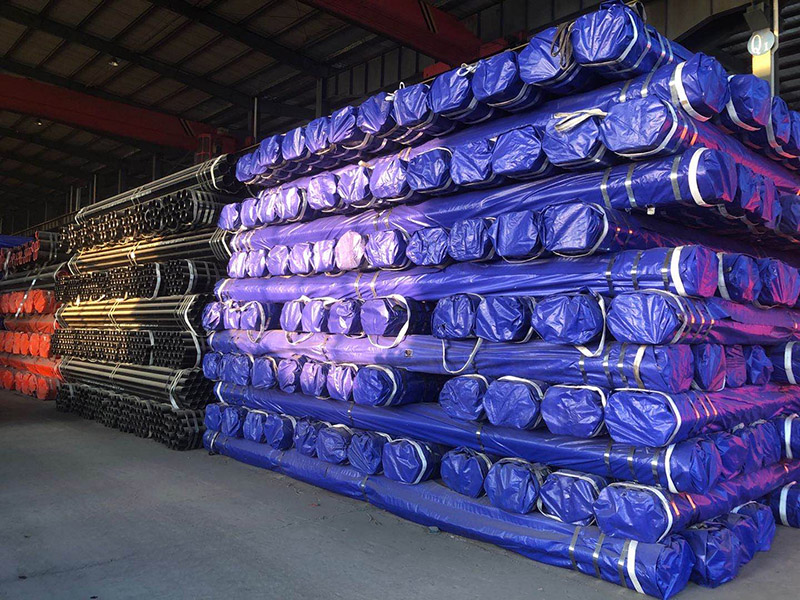

Seamless steel tubes are manufactured from a single solid metal blank with no weld seams on the surface. According to production processes, seamless tubes are categorized into hot-rolled tubes, cold-rolled tubes, cold-drawn tubes, extruded tubes, push tubes, etc. In terms of cross-sectional shapes, they are divided into round tubes and special-shaped tubes. Special-shaped steel tubes cover various complex profiles including square, oval, triangular, hexagonal, melon-seed, star and fin shapes. Based on service requirements, they are classified as heavy-wall tubes and thin-wall tubes. Their major applications include petroleum geological drill pipes, petrochemical cracking tubes, boiler tubes, bearing tubes, as well as high-precision structural steel tubes for automobiles, tractors and aerospace industries.
The industrial production of seamless steel tubes has a history of nearly one hundred years. In 1885, the Mannesmann brothers from Germany invented the two-roll rotary piercing mill for the first time, followed by the pilger mill in 1891. In 1903, R.C. Stiefel from Switzerland created the plug mill. Later, the application of continuous rolling mills and tube pushers laid the foundation for the modern seamless steel tube industry. In the 1930s, the adoption of three-high tube mills, extruders and cold pilger mills greatly enriched tube grades and improved product quality.
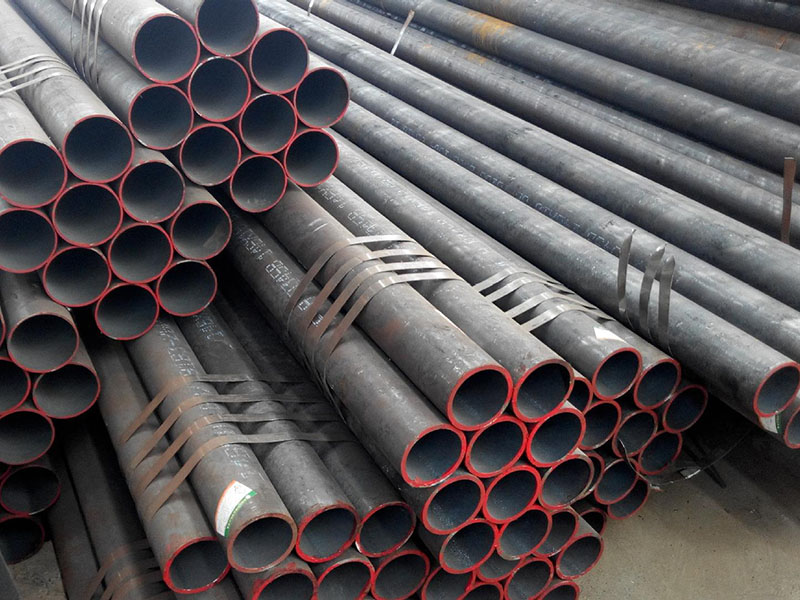
During the 1960s, upgrades to continuous rolling mills, the emergence of three-roll piercing mills, and especially the successful application of stretch-reducing mills and continuous casting blanks boosted production efficiency and strengthened the market competitiveness of seamless tubes against welded tubes. In the 1970s, seamless and welded tube production developed in parallel, driving a global steel tube output growth rate of over 5% per year. Since 1953, China has attached great importance to the development of the seamless steel tube industry, and initially built a complete production system capable of rolling large, medium and small-sized steel tubes.
As a type of economical structural steel, seamless steel tubes occupy a vital position in the national economy, and are widely adopted in petroleum, chemical, boiler, power station, shipbuilding, machinery manufacturing, automotive, aeronautical, astronautical, energy, geological, construction and military sectors.
2.By material: Carbon steel tubes, alloy steel tubes, stainless steel tubes
3.By connection form: Threaded tubes, welded tubes
4.By manufacturing process: Hot-rolled tubes (extruded tubes, push tubes, expanded tubes), cold-rolled & cold-drawn tubes
5.By application: Boiler tubes, line pipes, structural tubes, fertilizer industry tubes
Billet preparation and inspection → billet heating → piercing → tube rolling → reheating → sizing → heat treatment → reducing sizing → straightening → finishing → inspection (non-destructive testing, physical & chemical analysis) → warehousing.
Billet preparation → pickling and lubrication → cold rolling / cold drawing → heat treatment → straightening → finishing, followed by full inspection same as hot-rolled tubes.
Follow Huike Steel Pipe for more professional information about seamless steel tubes.